Best Staycations
20 February 2026
Glamping has become one of those words that means different things to different people. For some, it conjures images of a canvas bell tent with a proper bed inside and not much else. For others, it means a fully equipped shepherd's hut with underfloor heating, a copper bathtub, and a wood-burning stove. The truth is that glamping in the UK now encompasses an extraordinarily wide range of experiences, from the rustic to the genuinely luxurious, and navigating the options as a first-timer can be bewildering.
This guide is designed to cut through the noise. It explains what to expect, how to choose the right type of glamping for you, and which practical details separate a comfortable outdoor stay from an over-marketed field with fairy lights.
What Exactly Is Glamping?
Glamping, a portmanteau of glamorous camping, emerged as a distinct category in the UK around 2010, though the concept of comfortable outdoor accommodation is considerably older. At its core, glamping offers the experience of being close to nature without the discomforts traditionally associated with camping. You sleep in a structure that has been set up for you, with a proper bed, and usually with heating, lighting, and at least some cooking facilities.
The key distinction from camping is that glamping requires no equipment. You arrive with your overnight bag and everything else is provided. The key distinction from a hotel is that you are sleeping in something other than a conventional building, and the outdoors is not just visible through a window but is an integral part of the experience.
Types of Glamping Accommodation
Bell Tents
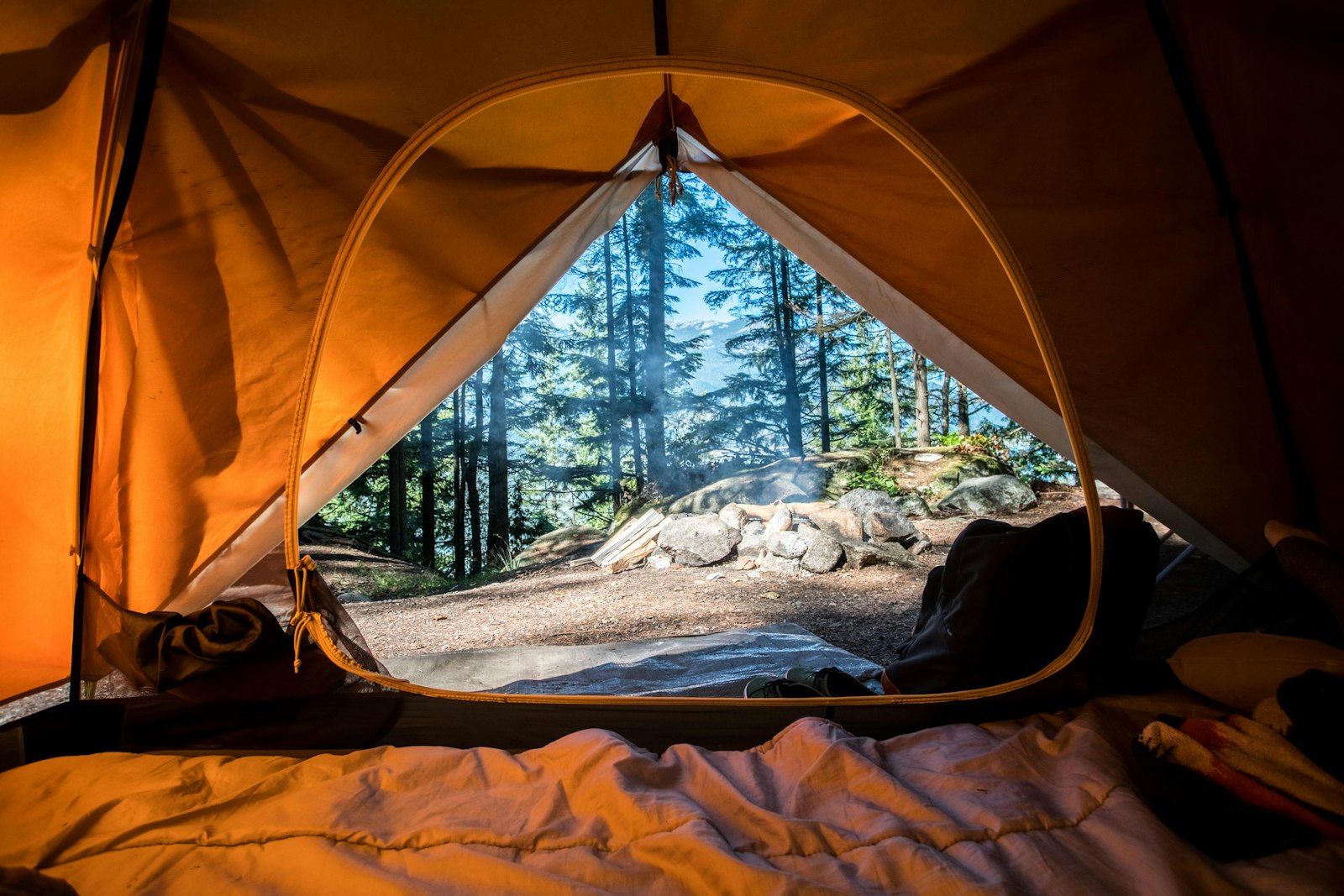
The most traditional form of glamping. A bell tent is a large canvas tent with a central pole, typically furnished with a proper bed, rugs, lanterns, and soft furnishings. They are charming but basic: most do not have electricity, heating is usually a wood-burning stove, and bathroom facilities are typically shared. Bell tents are best suited to summer stays when the warmth of the sun makes up for the lack of central heating.
Shepherd's Huts
Originally designed as mobile shelters for shepherds during lambing season, shepherd's huts have been reinvented as some of the most appealing glamping structures available. They are typically small, accommodating two people at most, but what they lack in space they make up for in character. The best shepherd's huts have a wood-burning stove, a small kitchen, and their own bathroom. Louma Country Hotel in Dorset offers shepherd's huts that are beautifully appointed, set within a working farm landscape with views across the Jurassic Coast.
Yurts
Yurts are circular, tent-like structures with a lattice frame and canvas covering. They originated in Central Asia and have been adapted for the British glamping market with varying degrees of success. The best yurts are spacious, well-insulated, and beautifully furnished. The worst are draughty and damp. The key is insulation: a well-insulated yurt with a wood-burning stove can be comfortable even in winter, while a basic yurt is really only suitable for the summer months.
Treehouses
At the luxury end of the glamping spectrum, treehouses offer an experience that blurs the line between glamping and boutique hotel. Properties like Nymetwood Treehouses in Devon and Lanrick Treehouses in the Trossachs provide accommodation that is architecturally ambitious, beautifully finished, and fully equipped with modern amenities. Treeopia in the Midlands takes a more contemporary approach, with geometric structures that contrast boldly with their woodland setting. Treehouses tend to be the most expensive form of glamping, but they also deliver the most polished experience.
Cabins and Pods
The catch-all category that encompasses everything from basic wooden pods to luxurious Scandinavian-style cabins. Winston at Unplugged in Somerset offers a digital detox experience in beautifully designed off-grid cabins, while A Place In The Pennines provides luxury lodges in a stunning moorland setting. Little Pembroke Newlyn in Cornwall offers a cabin experience with coastal character. The quality varies enormously within this category, so read reviews carefully and pay attention to the specifics of what is included.
What to Pack for Your First Glamping Trip
The beauty of glamping is that you need far less than you would for camping. However, there are certain items that will significantly improve your experience:
Layers of clothing are essential. Temperatures can drop dramatically after sunset, even in summer, and most glamping structures do not heat as evenly as a conventional room. Bring a warm fleece, thick socks, and a hat for cool evenings.
Bring a torch. Even at sites with good lighting, the walk from your accommodation to the bathroom or communal areas can be dark, and stumbling through an unfamiliar field at midnight is not glamorous by any definition.
Wellies or waterproof boots are non-negotiable. British weather is unpredictable, and most glamping sites involve some walking across grass or uneven ground. Trainers will not suffice if it has rained.
A small Bluetooth speaker can add to the atmosphere, but check with your hosts first. Many glamping sites have noise policies, particularly those in rural settings where sound carries.
Bring your own food and drink unless you know that the site has a restaurant or shop. Many of the most characterful glamping sites are rural and remote, which is part of their appeal but means that the nearest shop may be a considerable drive away.
When to Go
The glamping season in the UK traditionally runs from May to September, though an increasing number of properties now operate year-round. Each season has its merits.
Summer offers the longest days, the warmest nights, and the greatest likelihood of dry weather. It is also the most popular period, which means higher prices and the need to book well in advance. If you can be flexible, June and September are often the sweet spot: warm enough to be comfortable, quiet enough to feel like you have the place to yourself.
Spring brings wild flowers, birdsong, and a freshness to the landscape that is genuinely uplifting. The weather is less reliable, but a sunny day in April or May, when the countryside is coming back to life, is a beautiful time to be outdoors.
Autumn is underrated. The colours are spectacular, the crowds have gone, and there is a cosiness to sitting by a wood-burning stove on a crisp October evening that is difficult to replicate at any other time of year. Prices tend to drop after the school holidays, making this an excellent period for value.
Winter glamping is growing in popularity, but it is not for everyone. Choose a well-insulated structure with good heating, and embrace the experience of wrapping up warm and watching your breath in the cold morning air. Treehouses and cabins are generally the best options for winter stays.
How to Choose the Right Glamping Site
Start with what matters most to you. If privacy is your priority, look for properties with well-spaced pitches or individual structures with their own facilities. If socialising appeals, choose a site with communal areas, a campfire circle, or a shared kitchen.
Consider the bathroom situation carefully. Some glamping sites offer en-suite facilities, while others have shared bathrooms. This is entirely a matter of personal preference, but it is worth establishing before you book. A midnight walk to a shared bathroom in the rain can test even the most enthusiastic glamper.
Location matters more than you might think. A glamping site in a beautiful setting will always be more rewarding than one in a field beside a main road, regardless of how well-appointed the accommodation is. Look for properties that are set within interesting landscapes, whether coastal, woodland, or moorland, and check that there are walks and activities available nearby.
Read reviews from recent guests, paying particular attention to comments about cleanliness, the accuracy of photographs, and the helpfulness of hosts. A great host can elevate a simple glamping experience into something memorable, while a poor one can undermine even the most luxurious accommodation.
Our Recommendations for First-Timers
For those who want to ease into glamping without sacrificing too many comforts, we suggest starting with either a well-appointed shepherd's hut or a luxury cabin. These offer the outdoor experience with the reassurance of solid walls, proper heating, and your own bathroom.
Louma Country Hotel in Dorset is an excellent introduction: the shepherd's huts are charming, the farm setting is idyllic, and the hosts are welcoming and knowledgeable. Winston at Unplugged in Somerset offers a different but equally rewarding experience, with the added dimension of a digital detox that encourages you to truly disconnect.
For those ready to commit to the treehouse experience, Nymetwood Treehouses in Devon sets the standard. The Scandinavian design, the hot tub, the woodland setting: it delivers on every front and is difficult to leave.
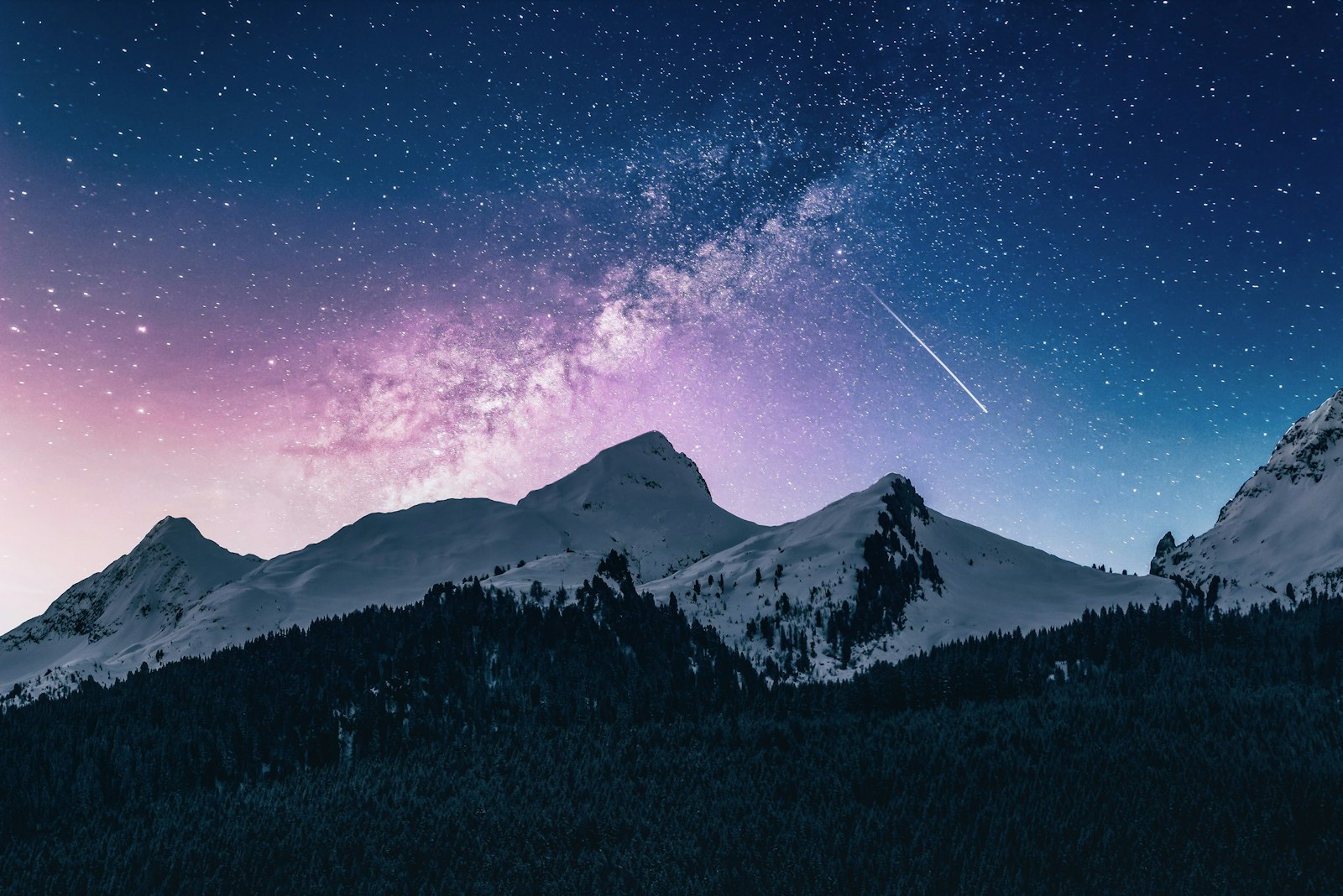
Whatever you choose, approach your first glamping trip with an open mind and a sense of adventure. The best glamping experiences are those where you surrender to the rhythm of the outdoors, wake with the light, and discover that sleeping under the stars — perhaps in a Dark Sky Reserve — or at least among the trees, is one of the great pleasures of British travel.