Best Staycations
30 May 2026
The phrase last-minute staycation can sound like a consolation prize: the thing you book when the flights are impossible, the school-holiday cottage has gone, or someone has suddenly realised there is a bank holiday coming. But Britain is unusually good at spontaneous escapes. The distances are short, the landscapes change quickly, and many of the best small hotels, inns and cabins still release interesting availability close to arrival, especially when weather, weddings or cautious planners create gaps.
The trick is not to search everywhere at once. Last-minute booking rewards decisiveness, but only if you know what you are looking for. A rushed choice can leave you in an over-priced room beside a road, convincing yourself that a lukewarm buffet breakfast counts as a treat. A good last-minute break, by contrast, feels almost conspiratorial: a cancellation suite at a country house, a Thursday-night room by the sea, a glamping cabin that nobody noticed because it was not available for the full weekend, or a spa hotel where Sunday night suddenly looks excellent value.
This guide is for the traveller who wants a proper escape without six months of planning. It is about where late availability tends to hide, which compromises are safe, which ones ruin the trip, and how to build a weekend that still feels chosen rather than cobbled together.
Start With the Shape of the Break
Before you open twelve booking tabs, decide what kind of recovery you actually need. Last-minute searches become chaotic because every property looks possible for about thirty seconds. A manor house in the Cotswolds, a coastal inn in Suffolk, a pod in Wales and a spa hotel near London are not interchangeable. They solve different problems.
If you are tired, choose ease. That usually means a country-house hotel within two hours, with dinner on site, a good breakfast and grounds you can walk without further logistics. If you feel stale rather than exhausted, choose a landscape that changes the air: coast, moor, lake, forest. If the point is reconnection, choose somewhere small and atmospheric rather than somewhere with a long facilities list. If children are coming, prioritise space and weather-proof activities over charm.
A useful rule: for a two-night break, the journey should not be the event. If you are leaving after work on Friday, avoid anything that requires complex rural navigation in the dark unless the property is truly exceptional. A last-minute staycation works best when arrival feels like relief, not a final test.
Where Last-Minute Availability Hides
The best late rooms often appear in properties that are slightly awkward for algorithmic searching. Pubs-with-rooms may have one excellent room left because someone cancelled dinner. Small country hotels sometimes hold direct-booking inventory that does not show clearly on large platforms. Glamping sites can have midweek gaps between longer stays. Spa hotels often discount Sundays and Mondays because their weekend crowd has gone home.
Look first at places with many room types. A grand hotel with thirty bedrooms may have one undesirable room and one lovely room at the same price if you catch the right moment. Then look at tiny places with flexible owners, especially independent inns and B&Bs. A phone call still matters here. It is perfectly acceptable to ask whether there has been a cancellation, whether dinner is available, and which remaining room they would choose if they were staying themselves.
Do not ignore region pages and direct hotel websites. Search engines tend to surface big lists, but the real opportunity is often one click deeper: a property page, an offers page, a late-availability note, or a calendar that shows odd single-night gaps. For Best Staycations, start with a broad route such as country house hotels near London, pubs with rooms, spa weekends or treehouses and glamping pods, then narrow by travel time and mood.
The Best Last-Minute Categories
Spa hotels are the safest last-minute bet if you want comfort. Even when the weather fails, the trip still works. A pool, thermal suite, treatment room and decent restaurant give the weekend an internal rhythm. The caution is treatment availability: a room at a spa hotel does not guarantee a massage slot. Check before booking if that matters. Otherwise, treat the spa as atmosphere rather than itinerary and you will be less disappointed.
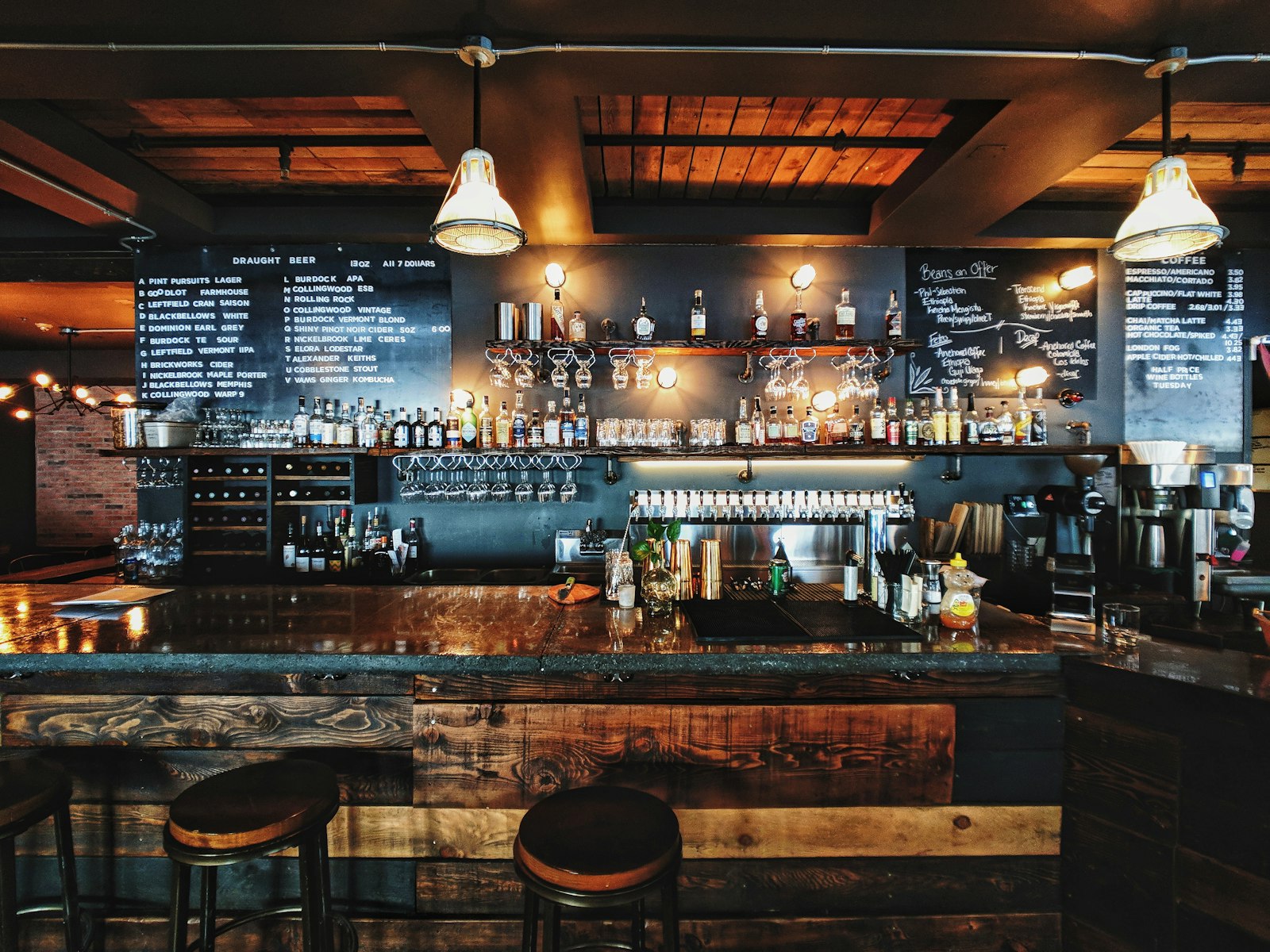
Pubs-with-rooms are excellent for spontaneous breaks because they remove the dinner problem. You arrive, check in, walk for an hour, then come downstairs to supper. The best ones feel informal without being basic, and they are often better value than country houses on short notice. Ask about noise if the last room is above the bar, and check what time food is served on Sundays.
Coastal hotels are more seasonal but can be brilliant at the last minute. The secret is to avoid chasing the most obvious beach towns on sunny weekends. Look for harbour towns, estuary villages and coast-adjacent inns where you can reach the sea but are not paying only for a view. In summer, a room ten minutes inland can be the difference between overpaying and feeling clever.
Glamping and cabin stays reward flexibility. Saturday nights disappear early, but odd midweek dates and two-night gaps can linger. The key is to be practical. A beautiful cabin is only a joy if it has proper heating, a private bathroom, sensible access and somewhere to sit when it rains. Last-minute romance should not involve discovering at 10pm that the toilet block is a torchlit walk away.
Regions That Work Well at Short Notice
The Cotswolds are popular, but their density of hotels, inns and villages makes them surprisingly workable if you are flexible about the exact postcode. Instead of searching only for the famous villages, widen the map to market towns and edges: around Stroud, Tetbury, Chipping Norton, Cirencester and the Oxfordshire borders. You still get honey-stone atmosphere without fighting everyone for the same few rooms.
The South Downs and Sussex are excellent from London because the journey is forgiving. You can build a break around a vineyard, a walk, a pub lunch or a coastal detour, and there are enough small hotels to make late availability plausible. It is especially good for one-night escapes that need to feel like more than a night away.
Suffolk and Norfolk are strong for slower coastal weekends. They reward travellers who do not need dramatic cliffs. Think big skies, marsh walks, seafood, market towns and handsome inns. Late rooms appear because the region has a long coastline and many micro-destinations rather than one obvious honeypot.
The Peak District, Yorkshire Dales and Lake District are better if you are coming from the Midlands or the North and want landscape fast. The Lake District is fiercely competitive on peak weekends, but midweek and shoulder-season gaps still happen. The Peak District is often easier for short-notice walking breaks because access from several cities is straightforward.
Wales and Scotland are better for longer spontaneous breaks. They can be magnificent, but the travel time changes the equation. If you suddenly have three or four nights, look at Pembrokeshire, Eryri, the Borders, Perthshire or the Cairngorms. For a rushed two-night Friday escape from the south-east, be honest with yourself.
What Not to Compromise On
Do not compromise on location without understanding the trade-off. A cheaper room twenty minutes from the place you actually want to be may be fine if the drive is easy and the hotel is better. It is not fine if every meal, walk and view requires more admin. Last-minute breaks should simplify your life.
Do not compromise on dinner. This is where many spontaneous trips go wrong. A lovely hotel with no table left, a village where the pub stops serving early, or a remote cabin with no groceries nearby can make the whole break feel underpowered. Before booking, check dinner availability, room-service options, local pubs and whether you need to reserve taxis.
Do not compromise on sleep. If the last room is small, noisy, hot, next to the kitchen extractor or in an annex beside the car park, it may not be a bargain. Ask direct questions. Independent properties usually prefer a happy guest to an over-sold one.
The safe compromises are view, exact village, and sometimes room size if the rest of the property is excellent. The dangerous compromises are food, noise, access, bathroom quality and travel time.
How to Search Efficiently
Search by use case, not just destination. Try phrases like last minute spa break UK, country house hotel Sunday night, dog-friendly pub with rooms this weekend, coastal hotel late availability, or glamping pod midweek hot tub. Then cross-check against the property website. The best rate is not always direct, but the best information usually is.
Use dates creatively. Thursday-to-Saturday often opens more options than Friday-to-Sunday. Sunday-to-Monday can be excellent value for spa hotels and country houses. If you can leave early on Friday, even one extra afternoon changes the feel of the trip. For families, the first and last weekends of school holidays can behave differently from the middle weeks.
Ring the property if it is small, special or confusing. Ask three things: which room is available, whether dinner is possible, and what they would suggest doing if you arrive at your planned time. A good answer tells you a lot about hospitality. A vague answer tells you something too.
A Simple Last-Minute Formula
For couples, choose a two-hour radius, book dinner first, then take the best room you can afford in a small hotel or inn with walking from the door. Add one low-effort plan: garden visit, vineyard, beach walk, spa treatment or long pub lunch.
For families, choose somewhere with space and a fallback plan. A pool, farm animals, games room, beach, forest trail or easy town nearby matters more than perfect design. Book the room that gives everyone a proper bed. Nobody remembers the tasteful wallpaper if the sofa bed destroys the weekend.
For solo travellers, choose atmosphere and safety. A friendly inn, boutique hotel with a good bar, or country house with grounds can be ideal. Avoid remote self-catering unless solitude is the explicit goal.
For dog owners, confirm the detail before paying: dog-friendly rooms, dining areas, fees, garden access, nearby walks and whether dogs can be left briefly in the room. The best dog-friendly stays make the animal logistics feel normal; the mediocre ones make you feel apologetic all weekend.
The Verdict
A last-minute UK staycation should not feel like settling. Done well, it can feel more liberating than a heavily planned holiday because the brief is simpler: go somewhere good, soon, and let the weekend do one job properly. The UK is full of places that suit exactly that mood — inns with rooms above excellent kitchens, small hotels beside footpaths, spa houses with Sunday availability, cabins waiting between longer bookings, and coastal stays that are better when you catch them slightly off-peak.
The secret is disciplined spontaneity. Decide the mood, protect the essentials, move quickly, and do not be seduced by a dramatic photograph if the practical details are weak. A great last-minute break is not the one with the most amenities. It is the one that gives you relief the moment you arrive, a good meal that evening, a proper night's sleep, and a reason to say on the way home: we should do this more often.