Best Staycations
29 March 2026
A good family farm stay solves a very specific holiday problem: children want freedom, animals and novelty; adults still need comfortable beds, workable meals and a plan for wet weather. The best stays give children a reason to be outside without making the whole break feel like a theme park or a muddy endurance test.
This guide is for choosing the right kind of farm stay rather than chasing the prettiest lamb photograph. Some families will be happiest in a converted barn with a proper kitchen. Others will prefer a glamping farm where the structure is simple, the children can roam safely and the host has already thought through feeding times, fire pits and rainy afternoons. Use it with our family stays, glamping guide, treehouses and pods guide and group staycation guide when narrowing the shortlist.
The best family farm stays are not just rural cottages with a few animals nearby. They make the practical parts work too: safe outdoor space, clear sleeping arrangements, weather backup, food options and enough real farm atmosphere for children without turning the parents into full-time organisers.
What Makes a Great Farm Stay
Start with the level of farm access. A view of fields is pleasant, but children remember collecting eggs, feeding animals, walking a farm trail or seeing how a working day begins. Then check the accommodation: proper beds, heating, bathrooms, somewhere to dry clothes and enough space for everyone to calm down after a busy day matter more than rustic styling.
The third test is flexibility. Families need the freedom to dip in and out of farm activities rather than follow a rigid timetable. Ask whether animal feeding is supervised, whether activities run every day or only on selected dates, and what happens if heavy rain changes the plan.
Quick Decision Guide
- Choose a working-farm cottage if you want self-catering control, proper bedrooms and a slower week with animals in the background. - Choose a glamping farm if the children want adventure and you want the site to provide structure, fire pits, trails or shared activities. - Choose a farm near the coast or a national park if you need backup days beyond the farm itself. - Choose a smaller farm for toddlers and nervous children; choose a larger activity-led farm for school-age children who need more to do.
The Best Farm Stays in Britain
Nettlecombe Farm, Isle of Wight
Tucked into a valley near Whitwell, Nettlecombe is a working farm that has been welcoming families for over three decades. The experience here is wonderfully hands-on. Twice-daily animal feeding sessions cover everything from pygmy goats to Shetland ponies, and children are encouraged to get properly involved. The accommodation ranges from cottages to converted farm buildings, all kept spotlessly clean and well equipped. What sets Nettlecombe apart is the lack of pretension — this is a real farm that happens to host families, not a theme park with tractors. The island location adds an extra dimension, with beaches at Ventnor and the dramatic Needles within easy driving distance.
Feather Down Farms (Various Locations)
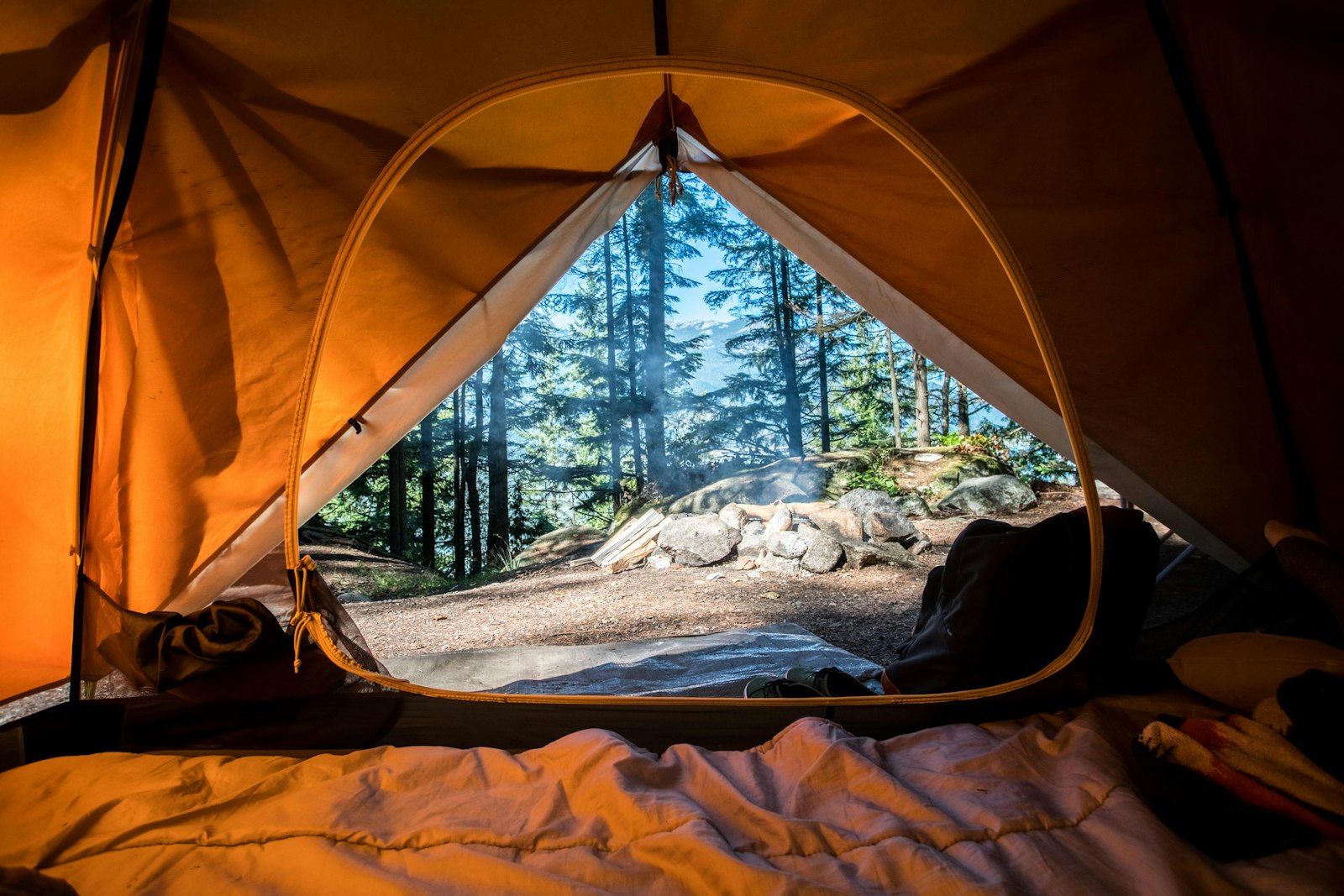
Feather Down operates glamping-style canvas lodges on working farms across the UK, from Devon to the Scottish Borders. Each tent sleeps up to six in proper beds with wood-burning stoves, and the farms are carefully selected for their family-friendliness. The concept works because it strips away distractions. There is no electricity in the tents, no television, no Wi-Fi. Instead, there are farm trails, honesty shops selling the farm's own produce, and a daily rhythm dictated by the animals rather than a screen. The Devonshire locations are particularly strong, with farms offering lambing experiences in spring and harvest activities in late summer.
Trevaskis Farm, Cornwall
Trevaskis is a working fruit and vegetable farm near Hayle that has evolved into something of a Cornwall institution. The farm shop and restaurant are destinations in their own right, but the real draw for families is the pick-your-own operation — one of the largest in the South West. Strawberries from June, sweetcorn and beans through summer, pumpkins in October. The farm does not offer on-site accommodation, but several excellent self-catering cottages sit within a mile, and the combination of farm activities, nearby beaches at Gwithian, and the farm's own kitchen makes this a superb base for a family week in Cornwall.
Humble Bee Farm, North Yorkshire
Set on the edge of the North York Moors near Flixton, Humble Bee Farm offers glamping pods, yurts, and camping alongside a working beef and arable farm. The farm trail takes families through the fields to meet Highland cattle, pigs, and an impressive collection of poultry. The Bee Barn is a particular highlight — an interactive space where children can learn about the farm's beekeeping operation and (seasonally) watch the honey extraction process. The nearby coastline at Filey and Robin Hood's Bay adds a seaside dimension to the farm experience, and the Yorkshire Dales are within striking distance.
Upper Norton Farm, Shropshire
A small working farm in the rolling Shropshire Hills, Upper Norton offers just two beautifully converted barns sleeping four and six respectively. The experience here is intimate and genuine. Children help with the sheep, collect eggs from the free-range hens, and in spring can assist with lambing under the farmer's supervision. The accommodation is a cut above typical farm stays — underfloor heating, contemporary kitchens, and views across the Stretton Hills that would not look out of place in a boutique hotel brochure. Ludlow, with its castle and exceptional food scene, is a short drive away.
Broomhouse Farm, Scottish Borders
Just across the border near Eccles, Broomhouse is a mixed arable and livestock farm that offers three converted steadings of real quality. The farm produces wheat, barley, and oilseed rape alongside a herd of pedigree cattle, and farm tours run throughout the season. What makes Broomhouse special is the combination of genuine agricultural immersion and the wild beauty of the Borders landscape. The Northumberland coast, with its castles and empty beaches, is thirty minutes north, while the Tweed offers some of the finest salmon fishing in Britain.
Cwm Tawel Farm, Ceredigion
Hidden in the hills above Cardigan Bay, Cwm Tawel is a small Welsh hill farm with a single converted barn sleeping six. The farm runs Welsh Mountain sheep on the surrounding hills, and during lambing season (typically late March through April) families can get genuinely involved — bottle-feeding orphan lambs, watching the flock, learning why hill farming matters. The barn itself is simple but comfortable, with a wood-burning stove and views down the valley to the sea. Dolphins are regularly spotted in Cardigan Bay, the coastal path is magnificent, and the pace of life here is about as far from the M25 as it is possible to get.
When to Visit
Farm stays are a year-round proposition, but the seasons offer dramatically different experiences.
**Spring (March–May)** is lambing season, and for many families this is the definitive farm stay experience. Witnessing a birth, bottle-feeding a lamb, watching the fields fill with bouncing white shapes — it is genuinely magical for children. Book early, because lambing weekends sell out months in advance.
**Summer (June–August)** brings haymaking, fruit picking, and long evenings outdoors. Many farms run their fullest programme of activities during school holidays, and the combination of farm life and nearby beaches makes for a satisfying family week.
**Autumn (September–November)** offers harvest time, apple pressing, and pumpkin picking. The countryside is at its most beautiful, prices drop after the school holiday rush, and the crowds thin considerably.
**Winter (December–February)** is the quiet season, but farms that remain open can offer a deeply atmospheric experience — feeding animals in the frost, gathering eggs in the half-light, retreating to a wood-burning stove after a short, cold afternoon walk.
Practical Tips for Farm Stays
**Pack wellies.** This is non-negotiable. Even in summer, farms are muddy. Bring proper waterproof boots for every member of the family, and pack old clothes that you genuinely do not mind getting dirty.
**Manage expectations.** A working farm operates on the animals' schedule, not yours. Feeding times are fixed, weather dictates activities, and not every day brings dramatic moments. The best farm stays embrace this rhythm rather than fighting it.
**Check the animal situation before booking.** If your children specifically want to bottle-feed lambs, confirm that the farm runs a lambing programme and that your dates coincide. Similarly, if anyone in the family has allergies or phobias, check what animals are present and how close the encounters get.
**Self-catering is usually better than B&B.** Farm stays work best when you have the freedom to eat when you want, get muddy without worrying about the dining room, and retreat to your own space when small people reach meltdown point. Most farm accommodation is self-catering for exactly this reason.
**Bring binoculars.** Farms sit in landscapes teeming with wildlife. Buzzards, barn owls, hares, and (depending on location) red kites, ospreys, and deer are all regular sightings. A pair of binoculars transforms a field walk from pleasant to fascinating.
The Verdict
Farm stays represent something increasingly rare in modern family travel: a holiday where the entertainment is not manufactured. There are no queues, no admission fees, no gift shops selling overpriced plastic. Instead, there are animals, seasons, and the simple satisfaction of spending time together in a place that runs on a rhythm older than any of us. The best farm stays remind families — parents as much as children — that the natural world is endlessly interesting when you slow down enough to pay attention.
Britain's farming landscape is under enormous pressure, and many of the farms offering stays do so because diversification is the only way to keep the gates open. Your booking is not just a holiday. It is a vote for the survival of small-scale British farming, and that matters more than ever.