Best Staycations
24 May 2026
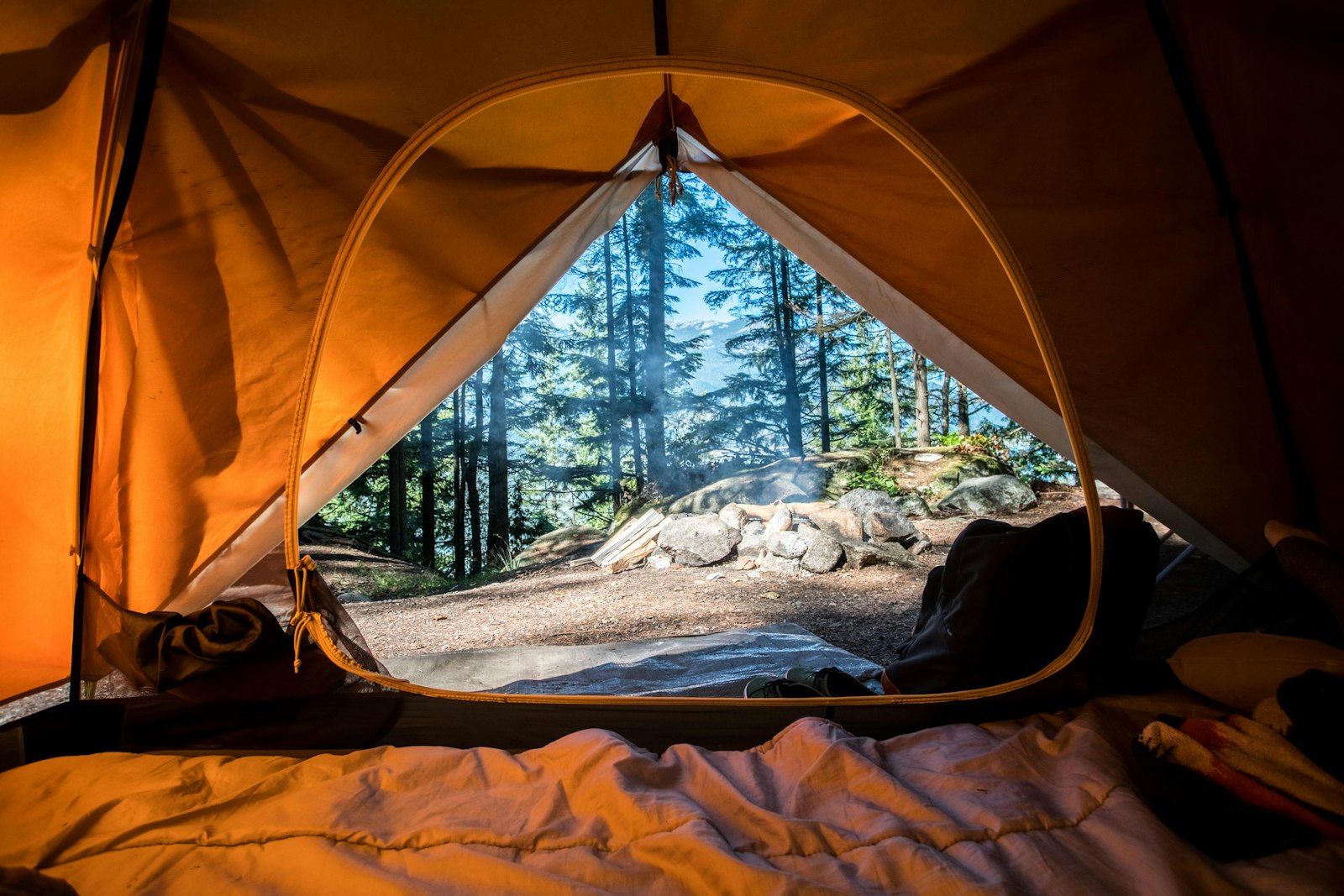
The best treehouse or glamping-pod stay in Britain is not really about pretending to be outdoorsy. It is about getting the parts of the outdoors that make you feel awake again — birdsong, fire smoke, dark skies, a path through wet grass before breakfast — without sacrificing the civilised things that make a weekend actually restful. A proper bed. Hot water. Somewhere to sit when it rains. A kettle that does not require a survival course. Ideally, a view that makes you forget your phone for a few hours.
That is why the UK has become so good at this category. We have forests, moors, coast, lakes and farmland within a few hours of almost anywhere, and enough unpredictable weather to reward places that think carefully about shelter. The strongest treehouses and pods do not merely drop a wooden box in a field and call it luxury. They understand the rhythm of a British escape: arrival in drizzle, boots by the door, a first cup of tea, a walk before dinner, a hot tub under clouds, and the quiet pleasure of waking somewhere that feels slightly removed from normal life.
This guide is for people who like the idea of a wilder break but do not want it to feel like work. It is not a list of novelty cabins for Instagram. It is a way to choose the right kind of stay: romantic treehouses for two, family pods with space to roam, coastal huts for walkers, woodland cabins with tubs, and darker-sky places where the evening is the main event.
Treehouse, Pod, Cabin or Dome: What Is the Difference?
The language can be slippery. A treehouse may be genuinely raised among branches, or simply a timber cabin on stilts with woodland around it. A glamping pod can be a compact curved hut with little more than a bed and heater, or a beautifully designed micro-lodge with ensuite bathroom, kitchenette and a private deck. Cabins usually offer more space and insulation. Domes and safari tents trade harder on theatre, with big windows, canvas textures and a sense of occasion.
None of these is automatically better. The question is what kind of weekend you want. For a romantic two-night escape, a small treehouse with a bath, wood-burner and no neighbours in sight can be perfect. For families, the fantasy of a tiny hideaway quickly fades if there is nowhere to dry coats or cook pasta. For walkers, location matters more than polish. A simple pod on the edge of the South Downs, Snowdonia or the Northumberland coast can beat a fancier cabin stranded beside a busy road.
The golden rule is to read beyond the photographs. Look for floor plans, bathroom details, heating, cooking facilities, parking, path access and whether the hot tub is genuinely private. Beautiful timber cladding tells you very little about whether the place works in February.
The Best Regions for UK Treehouse and Pod Breaks
The New Forest is one of the easiest wins for a woodland stay. It gives you the magic of ponies, heathland and old trees without demanding heroic logistics. Choose a cabin or treehouse within reach of Brockenhurst, Lyndhurst or Beaulieu and you can combine forest walks with good pubs, smart hotels for lunch, and the Hampshire coast if the weather opens up. It is especially strong for couples who want nature without isolation.
Cornwall and Devon are better for people who want sea air with their outdoor comfort. Here, the best pods sit slightly inland, where you get better value and more space, then let you drive or walk to beaches, fishing villages and coastal paths. Look for places with outdoor showers, drying racks and covered decks. A sea-view dome can be glorious, but in bad weather a sheltered woodland pod ten minutes from the coast may be the more intelligent choice.
Wales is where this category becomes properly dramatic. In Eryri, the Brecon Beacons and Pembrokeshire, the landscape does much of the work. A simple cabin with a mountain view can feel more memorable than an over-designed treehouse elsewhere. The trade-off is weather and driving time. Prioritise insulation, access roads and a host who gives clear arrival instructions. If you are travelling in winter, ask whether you can reach the property comfortably after dark.
Scotland is best for dark skies, loch views and longer stays. A pod near the Cairngorms, a cabin on the west coast, or a treehouse in Perthshire can feel wonderfully remote, but the distance changes the brief. For a Friday-to-Sunday break from London, it is probably too much. For four nights from Edinburgh, Glasgow or Manchester, it becomes a real reset. Choose somewhere with enough indoor comfort that you can enjoy a wet day rather than endure it.
The Cotswolds and surrounding counties are good for first-timers. The landscapes are gentler, the villages prettier, and the food scene stronger. This is where you book a design-led pod or converted shepherd's hut, spend the day walking between honey-stone villages, then eat extremely well. It may not feel as wild as Wales or Scotland, but it can be a better weekend if you want ease, restaurants and a sense of polish.
What Makes a Treehouse Stay Actually Good?
Privacy is the luxury. A hot tub loses half its charm if it faces three neighbouring decks. A glass-fronted cabin is less romantic if dog walkers can see straight in. Before booking, scan the site map, guest reviews and any aerial images. Phrases like secluded, private woodland and single unit are encouraging; phrases like collection of pods, shared facilities and family activity site are not necessarily bad, but they mean a different atmosphere.
Heating is non-negotiable. Britain has a long shoulder season, and some of the most beautiful outdoor stays happen in March, April, October and November. Underfloor heating, a proper wood-burner, heated towel rails and good glazing matter more than a copper bath if the place is cold by 9pm. If the accommodation relies mainly on portable heaters, be cautious outside summer.
Bathrooms deserve more attention than they get. An ensuite shower room changes the whole experience, particularly in wet weather. Shared facilities can work at a well-run glamping site, but they push the trip closer to camping. That may be fine for a family summer stay. It is rarely what you want for a romantic winter weekend.
Cooking is about mood as much as practicality. Some people love the ritual of fire pits, outdoor grills and breakfast hampers. Others would rather walk to a pub. Neither is wrong. Just do not book a remote pod with only a microwave unless you are genuinely happy eating that way for two nights. The best places make simple food feel part of the stay: local eggs, sourdough, sausages from the farm shop, marshmallows for the fire, coffee on the deck.
Romantic Treehouses for Two
For couples, the sweet spot is a stand-alone treehouse or cabin with a king-size bed, bath or excellent shower, private deck, and either a hot tub or a wood-burner. You do not need acres of facilities. In fact, the fewer interruptions the better. What you want is a place where the evening has its own atmosphere: low lights, trees outside the window, a bottle of wine, rain on the roof, no pressure to go anywhere.
Look for adult-only sites or individual units attached to small estates. These tend to be calmer than family glamping parks. Check whether breakfast can be delivered, whether taxis are realistic if you want dinner out, and whether there is a decent pub within walking distance. A romantic treehouse can turn oddly logistical if every meal requires a drive along unlit lanes.
The best couples' stays often pair one indulgent night in with one proper meal out. Arrive with easy food for the first evening, use the hot tub or fire pit, then book a restaurant or pub for the second night. That gives the break shape without over-planning it.
Family-Friendly Pods and Farm Stays
Families need a different checklist. Space, safety and boredom-proofing matter more than cinematic seclusion. A pod with bunk beds, a small kitchenette, a field to run around in and animals nearby will usually beat a delicate designer cabin where everyone is terrified of breaking something. Farms are especially good because they give children a reason to be outside even when the weather is not perfect.
Check sleeping arrangements carefully. Some pods technically sleep four but require two people to use a sofa bed in the only living space. That is fine for one night, less fine for a long weekend with early-rising children. Covered outdoor areas are a major bonus because they create spillover space for muddy boots, wet coats and snacks.
The best family glamping sites offer just enough structure: farm trails, fire pits, pizza nights, play areas, pond dipping or animal feeding, without becoming holiday parks. You still want the feeling of being somewhere peaceful. If reviews mention noise, stag groups or lots of cars moving around the site, keep looking.
Coastal Pods for Walkers
Coastal glamping works brilliantly when the accommodation is practical. You want a pod or cabin that can cope with sand, wet clothes and tired legs. Look for drying space, a strong shower, easy parking and footpath access. Sea views are wonderful, but not essential. Often the smartest move is to stay slightly back from the cliff path, where it is quieter and less exposed, then walk to the coast each morning.
The South West Coast Path, Pembrokeshire Coast Path, Northumberland coast and Norfolk Coast Path all pair beautifully with pod stays. The trick is to plan the walking first and the accommodation second. Decide whether you want circular walks, pub lunches, beaches, birdwatching or big cliff scenery, then choose a base that supports that rhythm.
Do not underestimate wind. A dome or pod that looks magical in a summer photograph can feel battered on an exposed headland in November. If you are travelling outside high summer, shelter is your friend.
Dark-Sky Cabins and Stargazing Stays
Some of the most memorable treehouse and pod stays happen after dinner. Britain has excellent dark-sky areas in Northumberland, the Yorkshire Dales, Eryri, the Brecon Beacons, Exmoor, Galloway and parts of the Highlands. A small cabin with a deck, low light pollution and a clear night can feel more luxurious than many hotels.
For stargazing, choose function over gimmick. A skylight over the bed is lovely, but a private deck with comfortable chairs and minimal site lighting is more useful. Hot tubs can be fun, though steam often gets in the way of actually seeing the stars. Bring warm layers, download a stargazing app before you lose signal, and accept that clouds may win. If they do, you still have the cabin, the fire and the quiet.
When to Book
Summer weekends go first, especially school holidays and coastal locations. Book months ahead for July and August. For couples, the better value is often April, May, September and October, when the landscape still has life but the sites are calmer. Winter can be wonderful if the accommodation is genuinely warm and the access is straightforward.
Midweek stays are where the deals hide. A Tuesday-to-Thursday treehouse break can cost dramatically less than a Saturday night and often feels more peaceful. If you are flexible, filter by private hot tub, ensuite bathroom and wood-burner, then compare midweek rates before falling in love with a specific photograph.
The Verdict
The best UK treehouses and glamping pods are not trying to replace hotels. They offer something hotels cannot: the sense of stepping just outside ordinary life. You hear the weather. You notice the light. You make coffee slowly. You sit outside for five minutes longer than you planned because there is a robin on the railing or a line of stars above the trees.
Choose comfort first and novelty second. A beautifully run pod with great heating, privacy, a proper bathroom and a good walk from the door will beat a more dramatic-looking treehouse that is cold, overlooked or awkward to use. Get the basics right and the magic has room to happen. Britain is very good at small escapes. This is one of the loveliest ways to take one.