Best Staycations
5 April 2026
The manor house hotel is one of Britain's great travel inventions. Not quite a castle, not merely a country hotel, it occupies a very specific sweet spot: old enough to carry history in the walls, comfortable enough that you actually want to spend a weekend there. At their best, manor house hotels offer the pleasures of aristocratic architecture without the theatricality that sometimes comes with more obviously grand properties. There is less armour on the walls, more worn stone by the back staircase; fewer tourists turning up for a photo, more guests settling in with the Sunday papers by the fire.
The category is also broader than many travellers realise. A manor house hotel might be a Jacobean estate in Yorkshire, a honey-coloured Cotswold house with a kitchen garden, a moated Tudor property in Sussex, or a quietly luxurious Georgian seat in the New Forest. What links them is not one architectural period but a feeling: scale without sterility, pedigree without pomposity, and the sense that the place has lived several lives before becoming your hotel.
The properties below are useful because they offer more than a handsome facade. They have atmosphere, yes, but also proper hospitality, strong food, and surroundings that justify leaving London or Manchester on a Friday afternoon. Some are indulgent, some are surprisingly good value, but all suit travellers who like history and want to avoid blandness.
What Makes a Manor House Hotel Special
A good manor house hotel should feel rooted in its landscape. You notice it on arrival: the long drive through parkland, the walled garden, the yew hedges, the old stable block now housing a spa or a row of quietly elegant suites. The architecture matters, but so does the setting. These houses were built to command an estate, not merely to sit beside a car park.
Inside, the test is balance. Too much preservation and the place feels museum-like. Too much modernization and you lose the point of staying there in the first place. The best properties keep the creak in the staircase, the panelled drawing room, the unexpectedly low doorway, and then add the things modern travellers rightly demand: excellent mattresses, serious bathrooms, and staff who understand the difference between friendliness and fuss.
Food is often the deciding factor. Many manor house hotels live or die by dinner because they are destinations rather than convenient overnight stops. A glorious building paired with mediocre dining is a wasted opportunity. The hotels below are either strong on the plate or located close enough to excellent restaurants that the overall stay still makes sense.
The Best Historic Manor House Hotels in the UK
Lucknam Park, Wiltshire
Lucknam Park is the manor house hotel for people who think they have seen every version of English country luxury and would like to be proved wrong. Approached via a mile-long avenue of lime and beech trees, the Palladian house sits in 500 acres of parkland on the edge of the Cotswolds. It is grand, certainly, but never chilly. Bedrooms are lavish in the old-school sense — silk walls, four-poster beds, deep baths — yet the service keeps the whole thing from tipping into parody.
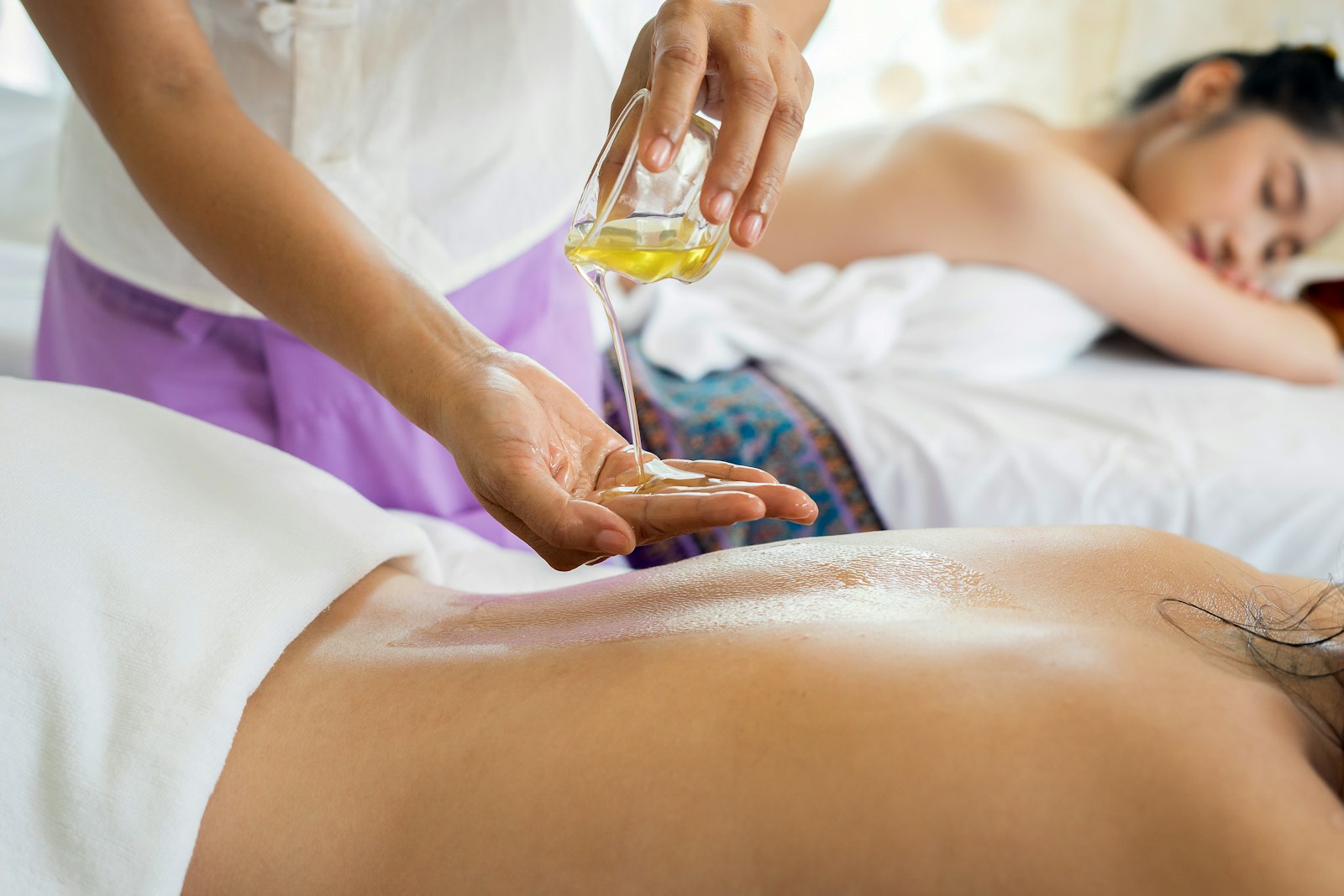
The real triumph here is range. You can come for a spa weekend, a riding break, a celebratory dinner, or simply to spend two days eating well and walking through the grounds. Restaurant Hywel Jones gives the house proper culinary weight, and the new spa village remains one of the most accomplished in southern England. If you want the full manor-house fantasy with none of the usual compromises, this is the benchmark.
Gravetye Manor, West Sussex
If manor house hotels have a patron saint, it may well be William Robinson, the great gardener who lived at Gravetye and transformed the grounds into one of the most influential gardens in Britain. The Elizabethan manor itself is quietly handsome rather than showy, but the magic lies in the whole composition: ancient stone, broad lawns, orchard, kitchen garden, and a restaurant that understands exactly where it is.
Dinner at Gravetye is not a perfunctory hotel meal. It is the point of going. Much of the produce comes directly from the estate, and the cooking is precise without becoming stiff. Bedrooms are individually decorated in a style that feels entirely right for the house — not faux-historic, just calm and deeply comfortable. This is an especially good choice for spring and early summer, when the gardens are in riotous form and the whole place feels almost absurdly English in the best possible way.
Hartwell House, Buckinghamshire
Hartwell House has the kind of layered history that makes a stay feel richer before you have even checked in. A Jacobean and Georgian mansion set in ninety acres, it was once home to the exiled Louis XVIII of France. Today it forms part of the National Trust-backed Historic House Hotels group, which tends to do this category better than almost anyone.
What Hartwell gets right is tone. There is grandeur here — sweeping staircase, portraits, ornate ceilings — but also a welcome sense of ease. You are encouraged to enjoy the place, not tiptoe through it. The spa, housed in a converted chapel, is particularly atmospheric, and the grounds are ideal for a pre-dinner walk. It suits couples well, but it is also one of the rare grand country hotels that works nicely for multigenerational weekends because the house has enough space to absorb everybody.
Lime Wood, New Forest
Strictly speaking, Lime Wood's allure lies as much in its style as its history, but the old house at its core gives the property exactly the depth many polished luxury hotels lack. Set among ancient forest and open heath, it feels less like a theatrical stately home and more like the chicest version of an old family estate. That is a compliment.
The rooms in the main house are the ones to book if you want the manor-house feel in full: sash windows, soft colours, layers of texture, and views across lawns where ponies occasionally wander past with the kind of nonchalance only the New Forest can produce. Add Angela Hartnett's restaurant, the Herb House Spa, and some of the loveliest walking country in southern England, and you have a property that makes an excellent case for contemporary manor-house luxury.
Goldsborough Hall, North Yorkshire
Goldsborough Hall is one of those places that still carries the intimacy of a private house, which is precisely why people fall for it. Once home to Princess Mary, the aunt of Queen Elizabeth II, it stands in formal gardens near Harrogate and offers just a small number of rooms. The scale means service feels attentive without ever becoming overbearing.
This is a particularly good pick for food-focused travellers. The tasting menus are serious and seasonal, and the kitchen garden contributes heavily. There is not a sprawling spa or a long list of activities, which for many guests is part of the charm. Goldsborough is about quiet luxury, good wine, a beautiful room, and the simple pleasure of staying somewhere with real lineage and no need to shout about it.
Mallory Court, Warwickshire
Mallory Court's manor house dates from the early twentieth century, which makes it younger than some of the others here, but it absolutely belongs in the conversation because it nails the experience so well. The house rises from ten acres of gardens outside Leamington Spa, with the atmosphere of a well-run private estate and the practical advantage of being easy to reach from the Midlands and London alike.
Its strongest suit is the combination of traditional architecture and genuinely modern comfort. Bedrooms are plush, the spa is slick, and the dining has long been one of the region's better bets. For a manor-house weekend that feels celebratory without being intimidatingly formal, Mallory Court is a very safe pair of hands.
Bodysgallen Hall, North Wales
There are hotel settings that look good in photographs, and then there is Bodysgallen, which looks faintly unreal even when you are standing in it. The hall sits above Conwy with views towards the castle and mountains of Snowdonia, surrounded by formal gardens, woodland, and meadows. The house itself has parts dating back to the seventeenth century, and the interiors retain a satisfying amount of period detail.
This is the sort of place that rewards a slower stay. Wander the grounds after breakfast, spend the afternoon on the coast or in the mountains, then return for dinner in a dining room that feels entirely in keeping with the building. It is not flashy, and that is exactly the point. Bodysgallen offers a distinctly Welsh version of the manor-house ideal: romantic, scenic, and quietly self-assured.
How to Choose the Right Manor House Hotel
If food is your priority, start with Gravetye Manor, Goldsborough Hall, or Lucknam Park. These are places where dinner is not an afterthought. If spa time matters most, Lucknam and Lime Wood are the obvious front-runners, with Mallory Court a strong option for easier access. For gardens, Gravetye is peerless, though Hartwell and Bodysgallen both reward anyone who likes to spend an hour outside before dressing for supper.
It is also worth thinking about mood. Some manor house hotels lean formal and hushed; others feel more relaxed, almost house-party-ish. Neither is inherently better, but they suit different kinds of weekends. If you want polished ritual — afternoon tea, a drink in the drawing room, jackets at dinner — choose one of the grander historic houses. If you want old walls with contemporary ease, Lime Wood will probably be more your speed.
When to Go
Autumn is arguably the best season for this category. Manor house hotels come into their own when there is a fire lit somewhere, the trees in the grounds have turned copper, and the idea of a second bottle of red no longer feels reckless. Spring is a close second, particularly for houses with notable gardens. High summer can be glorious, especially if you plan to spend most of your time outdoors, but some properties lose a touch of their atmosphere when everyone is chasing the terrace rather than the drawing room.
Midweek stays are often much better value and, frankly, more enjoyable. You get the same house, the same grounds, and usually calmer service. Unless you are planning a special occasion that requires a Saturday night, a Tuesday or Wednesday check-in is the smarter move.
Manor House Hotels vs Castles and Country House Hotels
Travellers often use these categories interchangeably, but they produce rather different experiences. Castle hotels tend to be more theatrical and more overtly historic; country house hotels can range from Georgian rectories to modern rural retreats. Manor house hotels sit in a pleasing middle ground. They usually feel older and more characterful than the average country hotel, but gentler and more liveable than a castle.
That makes them a particularly good choice for first-time luxury-stay bookers. You get a sense of occasion without feeling you have booked into a re-enactment. You also tend to find better bedrooms, more coherent service, and a warmer atmosphere. Britain is full of handsome old houses; the trick is finding the ones that wear their history lightly. The hotels above do exactly that.