Best Staycations
8 August 2026
A walking-weekend hotel has to do more than sit near attractive scenery. It needs to make the outdoor part easy and the return worthwhile: routes that start close by, honest advice about conditions, somewhere to dry kit, food you do not have to drive for, and enough comfort that a wet forecast does not ruin the break.
The best choice depends on the kind of walking you actually want. A Pennine inn is perfect if the route is the point. A Lake District spa hotel works when you want a fell or lake walk followed by heat and water. A coastal hotel suits travellers who want a simpler rhythm: path, sea air, lunch, repeat. Use this guide with our walking holidays, coastal walks guide, Lake District spa and walking guide and autumn breaks when building a shortlist.
Start With Route Friction
Before choosing the prettiest hotel, ask what the first morning will look like. Can you walk from the door, or do you need to drive to the trailhead? Is the route circular, or will you need a taxi back? Does the hotel have packed lunches, drying space, flexible breakfast times and a bar or restaurant that welcomes muddy boots?
For short weekends, the best walking stays reduce transfers. One strong route from the door often beats a famous landscape that requires two car journeys, a parking scramble and a late dinner booking. If the walk needs a car, make sure the hotel itself is good enough to justify staying there afterwards.
Best For Pennine and Dales Walking
The Pennines and Yorkshire Dales are strongest when you want the walk to feel properly anchored in the landscape. The Tan Hill Inn is the dramatic version: Britain's highest pub, rooms on a remote moorland road, and direct relevance for Pennine Way and Coast to Coast walkers. It is not a polished spa weekend, and that is the point. Book it when weather, big skies and pub atmosphere are part of the appeal.
For a softer Dales base, The Burgoyne Hotel, The Traddock and Simonstone Hall give different levels of comfort around Swaledale, Three Peaks country and Hardraw Force. They suit walkers who want proper mileage by day without giving up good food and a real bed at night.
Best For Lake District Spa and Fell Weekends
The Lake District needs more planning because route difficulty changes quickly with weather. If spa recovery matters, choose hotels where the facilities are part of the stay rather than a small add-on. Around Windermere and Ullswater, that means checking pool access, treatment times, drying space and whether the first sensible walk starts near the hotel rather than across the county. Around Langdale and Grasmere, choose only if you really want a walk-first weekend.
For food-led walking breaks, the calculation is different: less about long spa afternoons, more about a serious walk followed by a memorable meal. In the Lakes, that distinction matters. Decide whether the trip is walk-first, spa-first or food-first before choosing the room.
Best For Coastal Path Weekends
Coastal walking weekends work best when the hotel keeps the day simple. You want the path or beach close enough that the walk does not become a driving itinerary. The Brudenell, Fairyhill and Oxwich Bay Hotel all make sense for this reason: the coast gives the trip a clear structure and the hotel gives you somewhere comfortable to return.
Autumn and winter can be especially good for coastal walkers. Paths are quieter, beaches are more open to dogs in many places, and a warm dining room feels like part of the reward. Check tide times, beach rules and local path diversions before travelling; coastal conditions are not background detail.
Best For Gentle Country Walks and Food
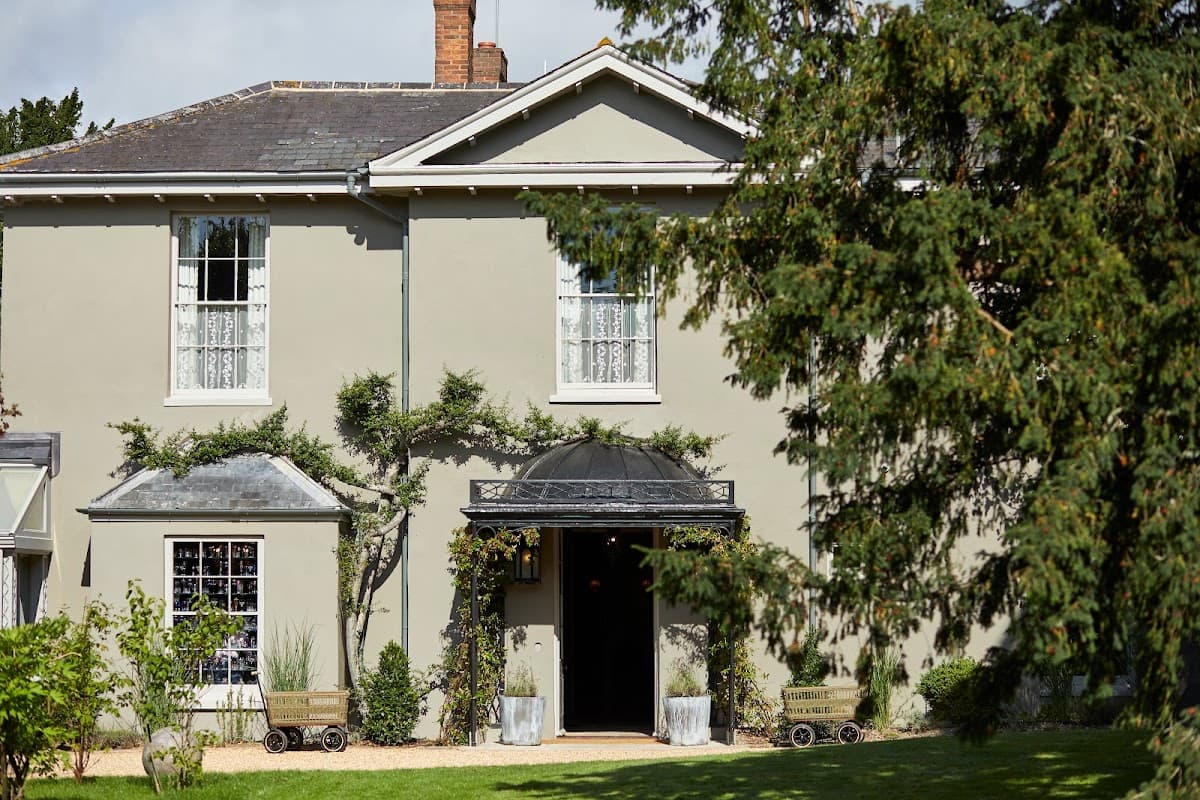
Not every walking weekend needs a summit. For gentler breaks, look for estates, gardens, villages and short loops where the walk supports the stay rather than dominates it. The PIG in the South Downs, The Moat House and Pale Hall all work for travellers who want fresh air, a strong meal and a slower pace.
This is often the right format for mixed groups, less experienced walkers and shoulder-season weekends. A two-hour route, afternoon tea or spa time, then dinner on site can be a better staycation than forcing everyone into a long hike they did not really want.
What to Check Before Booking
Ask about drying space, packed lunches, boot rooms, route advice, dog rules, breakfast times and whether the restaurant serves on the night you arrive. In rural areas, also check taxis before planning a linear route. Assuming a lift will be available at 6pm on a Sunday is an easy way to spoil the end of a good walk.
Weather backup matters. A hotel with a spa, strong lounges, a good bar, gardens or an interesting nearby town is more forgiving than a beautiful but bare-bones room if rain closes in. For autumn and winter, choose the stay as carefully as the route.
The Verdict
The best UK walking-weekend hotel is the one that matches the walk you will actually do. Choose a Pennine or Dales inn for route-first breaks, the Lake District for fell-and-recovery weekends, the coast for simple path-and-sea-air rhythm, and country-house hotels when gentle walks and food matter more than distance.
Do not book only for scenery. Book for the whole loop: arrive, walk, dry off, eat, sleep and still want to go out again the next morning. That is what turns a hotel near a path into a walking break that really works.